

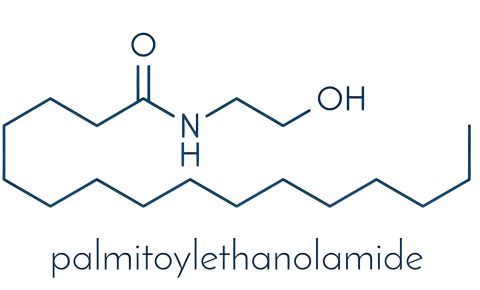
Palmitoylethanolamide (PEA) is a naturally occurring fatty acid amide found in the human body and in foods such as soybeans, egg yolk, and peanuts. It supports the body’s natural balance and interacts with the Endocannabinoid System (ECS), which regulates normal physiological processes.

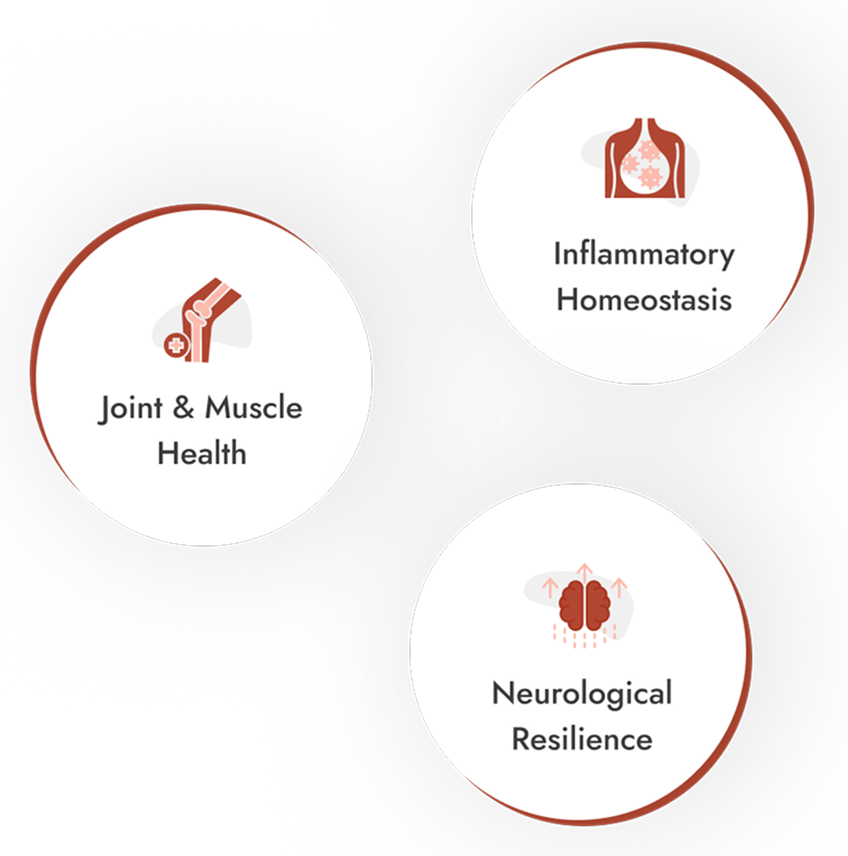
Regenate® is a high-quality PEA ingredient, clinically studied and designed for higher bioavailability. It supports overall well-being, including the body’s natural mechanisms related to joint and muscle comfort, inflammatory balance, and neurological resilience, and is designed for versatile use across functional foods, dietary supplements, and wellness products.
The Regenate® difference

Conventional PEA is highly hydrophobic, often limiting its use to tablets and capsules. Regenate® expands formulation possibilities by offering PEA in multiple optimized grades—including micronized and cold-water dispersible forms—each evaluated for bioavailability in pharmacokinetic studies.

These specialized grades provide formulators with greater flexibility across a wide range of consumer-preferred formats, including tablets, capsules, softgels, gummies, stick packs, oral strips, and select topical applications—enabling differentiated product development without compromising quality or user experience.

The Endocannabinoid system (ECS)

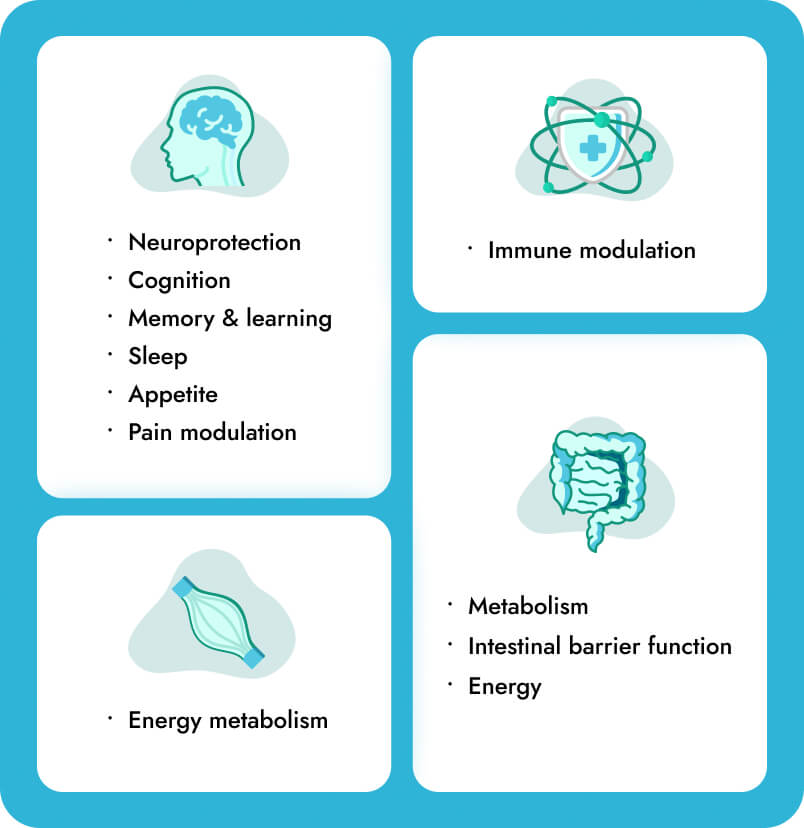
The ECS is a broad communication network present throughout the body, supporting normal homeostasis and helping regulate everyday biological processes. It operates through endocannabinoids, receptors, and metabolic enzymes that work together to maintain internal balance.

The ECS includes naturally occurring lipid messengers such as:

Anandamide (AEA)

2-Arachidonoyl Glycerol (2-AG)

These endocannabinoids are produced on demand and help support the body’s normal signalling, balance, and response mechanisms.

N-arachidonoylethanolamine (AEA or Anandamide) & 2-arachidonoyl glycerol (2-AG).

Alongside these molecules are extended endocannabinoids, which share structural and functional similarities:

  • Palmitoylethanolamide (PEA)
  • Oleoylethanolamine (OEA)

PEA, in particular, is structurally related to Anandamide and participates in pathways associated with maintaining physiological balance. This connection is one of the reasons PEA has become a sought-after ingredient for modern functional food and nutraceutical formulations.

Endocannabinoids and extended endocannabinoids interact with a wide range of receptor systems across the body.

Cannabinoid Receptors

CB1 (Cannabinoid Receptor-1)

CB2 (Cannabinoid Receptor-2)

Non-Cannabinoid Receptors

PPAR-α (Peroxisome Proliferator-Activated Receptor Alpha)

TRPV1 (Transient Receptor Potential Vanilloid-1)

The ECS also relies on enzymes that synthesize and break down endocannabinoids to ensure timely, balanced activity:

  • MAGL (Monoacylglycerol Lipase)
  • NAPE (N-acyl-phosphatidylethanolamine)
  • FAAH (Fatty Acid Amide Hydrolase)
  • NAAA (N-acylethanolamine-hydrolysing acid amidase)

These enzymes help regulate the availability of molecules such as PEA, maintaining the system’s natural rhythm.

Mechanism of Action of PEA

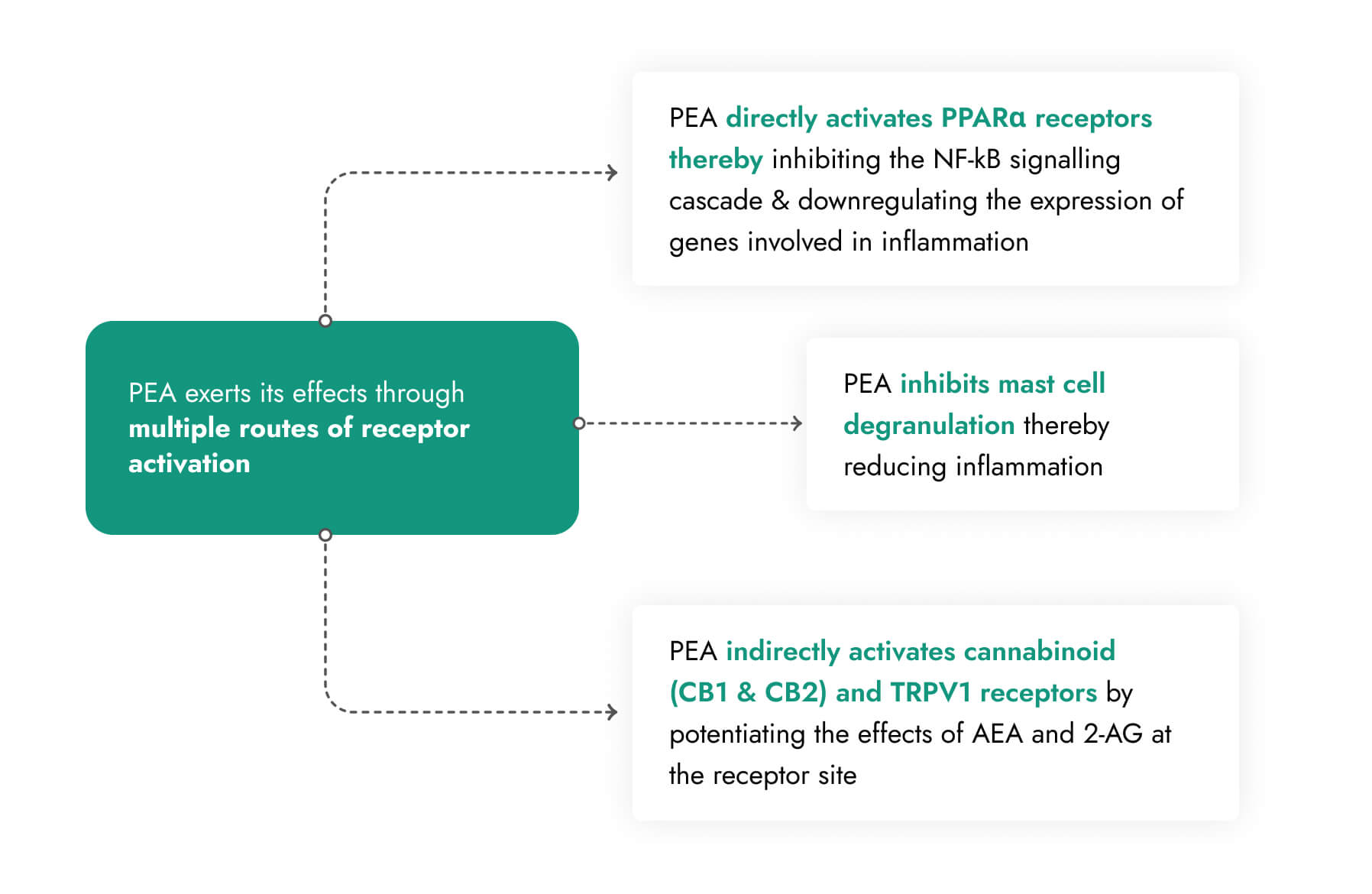
PEA was first identified as a natural food-derived compound in 1957 and has since been widely studied for its role in supporting the body’s normal physiological balance. As an endogenous lipid mediator, PEA is produced on demand from cell membranes and participates in pathways that help the body maintain homeostasis during everyday physical and environmental stresses.

PEA interacts with multiple receptor systems, contributing to the regulation of normal cellular signalling and supporting the body’s natural mechanisms for comfort, resilience, and overall well-being. Its science-backed physiological relevance makes PEA a notable ingredient for modern nutraceutical and functional nutrition formulations.

Frequently Asked Questions

CBD is not produced by the human body unlike PEA, which is endogenously produced as a direct response & repair mechanism to inflammation. Moreover, CBD faces several challenges such as a lack of human clinical studies, legal complexities, safety concerns & regulatory restrictions whereas PEA has been substantiated by more than 40 studies for different health benefits1 , thereby making it a safe & scientifically supported substitute for Cannabidiol (CBD).


Regenate® is a patented, high-quality Palmitoylethanolamide (PEA), leveraging the full potential of PEA to the consumer with its versatility in various end-product applications. It has potential benefits to support joint health, muscle health & mobility leading to improved quality of life.


Regenate® can be formulated in various ready-to-use, end-product applications such as tablets, capsules, effervescent tablets, gummies, oral strips & beverages through our innovative technology platforms. Just let us know your dosage form & we will have a solution for you.


Regenate® is approved for use in several countries such as India, the United States, United Kingdom, Australia, Denmark, Italy & other European countries.


Collaborate with us

Our strength in formulation coupled with our manufacturing expertise will help you get to market faster.

Other Branded Ingredients

Disclaimer

The statements on the website have not been evaluated by the Food and Drug Administration. This product is not intended to diagnose, treat, cure, or prevent any disease. Any claim is based on scientific literature and may not be suitable for or approved for all countries. Regulatory interpretations and substantiation may vary from country to country.